

Can I afford to buy a bigger house? Here’s how to find out
Updated on Sept. 25, 2025, at 11:50 a.m. CT
By Krystal Frederick | Assistant vice president, mortgage lending
Life changes—and so do our housing needs. Maybe your family’s growing, you’re working from home more often or you’re finally ready for that dream backyard.
Whatever your reason for thinking about a bigger home, you’ve already been through the homebuying process before, so you have an idea of what to expect.
Still, moving up to a larger house is a big decision. I’ve helped many homeowners in this stage, and one thing is clear: It’s worth taking the time to think through the details carefully. A larger home often comes with more expenses—beyond the mortgage—so you want to feel confident that you can comfortably handle the costs.
Here’s how I guide homeowners through the process of deciding whether to move forward with a bigger home.

How much house can I really afford?
Before falling in love with a house, it’s important to get clear on your budget.
Look beyond just the mortgage payment. Think about property taxes, utilities, insurance, maintenance and any other costs that could increase with a larger home.
A simple way to test your budget: Imagine your potential monthly mortgage payment and try living like you already have it.
For example, if your current payment is $1,000 and the new house would be $1,500, open an account like a Dupaco You-Name-It Savings account and have the extra $500 automatically transferred each month for a few months.
This can help you see whether the larger payment fits comfortably in your life without making the leap right away!
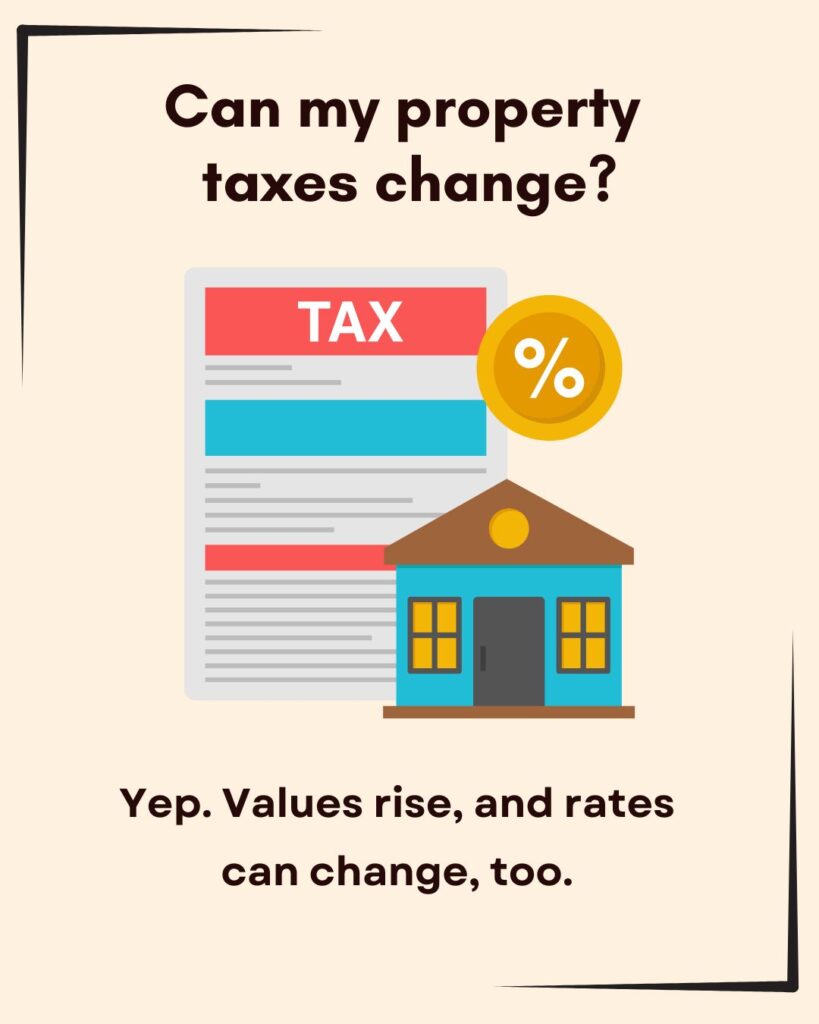
Will property taxes be higher in a bigger home?
If your next house is in a different area—or even just a few streets away—property taxes can vary. Higher taxes can impact your monthly budget more than you might expect.
You have a few options to find out the property taxes on another property:
- Ask your real estate agent about property taxes in your desired neighborhood.
- Go to your county assessor’s website to look up past property taxes for an address.
Knowing what to expect helps prevent surprises when the tax bill arrives.
What will utilities cost in a larger house?
More rooms usually mean higher heating, cooling and electricity bills.
And don’t forget other city services, like water, sewer and refuse collection fees, can vary depending on the community.
If you’re serious about a particular property, you’ll want to ask you real estate agent for:
- The home’s average utility bills from past seasons.
- The community’s fee structure if you’re looking at homes in another city.
Seeing the numbers upfront can help you plan your monthly budget more accurately.
How will insurance change with a bigger home?
Homeowner’s insurance costs can be influenced by the size, age and location of your home. Your credit score and claims history can also play a role.
It’s worth taking the time to speak with an insurance agent. Comparing premiums between your current home and a larger home will help you see the full picture.
What does it really cost to sell my current house?
Selling your current home typically comes with its own expenses. Think:
Talk to your mortgage lender or real estate agent early in the process to review what charges you’ll incur. Knowing what you’ll pay can make a big difference in planning and budgeting for your next purchase.
Do you know the best time to sell a house? >
Can my budget handle a bigger mortgage?
Take a close look at your monthly finances. If you’re feeling unsure about a larger payment, it’s worth scheduling a free Dupaco Money Makeover. We might be able to help you review your debt, suggest ways to free up room in your budget and explore options like:
Schedule a free Money Makeover >
Should I get pre-approved before I start shopping?
Yes! If you plan to buy a bigger house soon, getting pre-approved for your mortgage is a smart next step.
It gives you a clear picture of what you can borrow based on your income and existing debt. It also shows sellers that you’re serious.
It’s not a commitment to buy yet. It’s a way to explore your options with more confidence.

Are there programs for repeat homebuyers?
While many homebuyer grants are designed for first-time buyers, there might still be programs or products that fit your situation. Options like 100% financing might be available.
Talk with your mortgage lender to see what’s available, compare your options and find what might work best for you.
Next steps
Remember: Upgrading to a bigger home is exciting, but it comes with more than just a bigger mortgage. Planning for property taxes, utilities, insurance and other costs ensures that your move is both smart and sustainable.
Take the time to review your budget, test higher payments and get guidance from a trusted advisor. Doing a little prep now can make a big difference in feeling confident and comfortable in your next home.
Here are some next steps you could start taking:
- Try our affordability calculator to see what fits your budget.
- Schedule a free Money Makeover to review your finances.
- Talk with a mortgage expert to explore lending options.