
How to choose the right car insurance deductible for you
Updated Sept. 10, 2025, at 11:30 a.m. CT
When you shop for auto insurance, one of the biggest questions you’ll face is: “What deductible should I choose?”
Your deductible can affect your monthly costs, how much you’ll pay out of pocket in an accident and even your peace of mind. It’s one of the most important—and most confusing—parts of choosing coverage.
This guide breaks it down step by step so you can feel more confident about picking the right deductible for your budget, your car and your life.
What exacly is an insurance deductible?
An insurance deductible is the amount you’re responsible to pay out of pocket before your insurance covers the rest if you’re in a collision and held liable.
Think of it like this: If your deductible is $500 and you’re in an accident that causes $3,000 in damage, you’ll pay the first $500, and insurance covers the remaining $2,500.
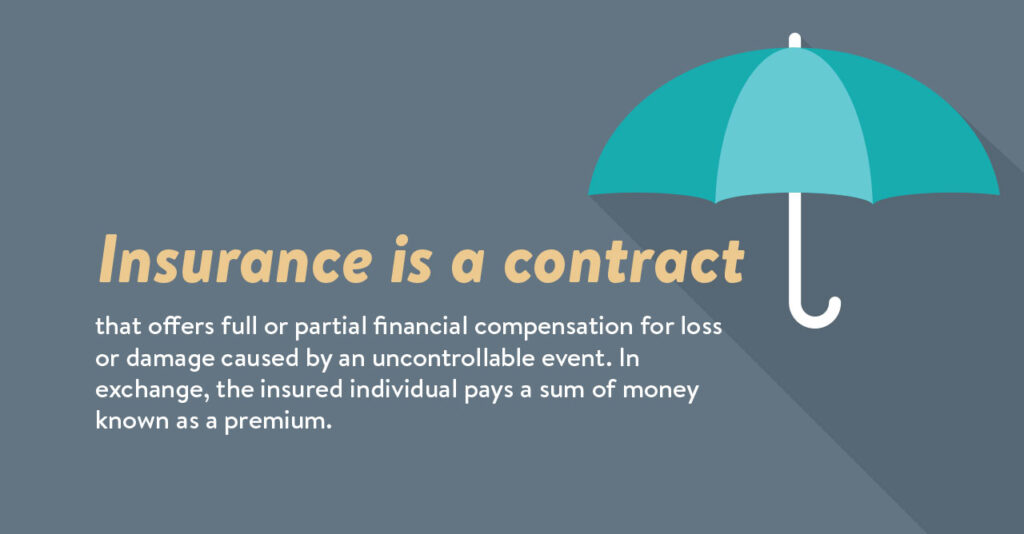
Your insurance premium is the amount you pay monthly or yearly to keep your coverage active.
Deductibles and premiums work kind of like a seesaw:
- The lower your deductible, the higher your premium will be.
- The higher your deductible, the lower your premium will be.
Is it better to have a high or low deductible?
There’s no one-size-fits-all answer—it depends on your finances, your driving habits and the value of your vehicle.
A lower deductible often means:
- Higher monthly premiums
- Less out-of-pocket if you file a claim
- Better if you don’t have much saved for emergencies
A higher deductible usually comes with:
- Lower monthly premiums
- More out-of-pocket if you file a claim
- Better if you have strong savings and rarely file claims
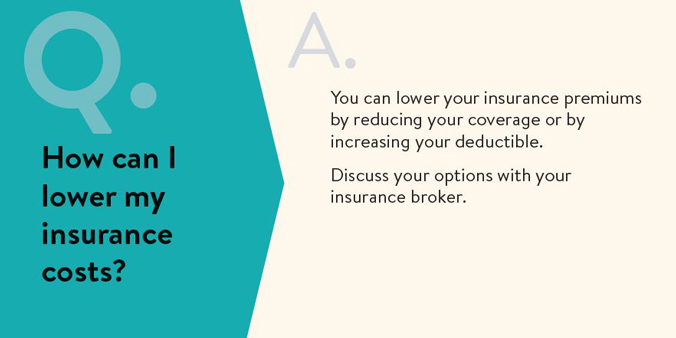
Typically, your best option is somewhere in the middle: Choosing a plan that offers the maximum deductible you can comfortably afford in an emergency, while keeping your monthly premiums manageable.
How much should my deductible be?
A good rule of thumb: If you can’t easily pay your deductible today, it might be too high.
Brad Langan, senior insurance agent at Dupaco Insurance Services, puts it this way:
“I’ve had clients get hit by other parties who didn’t have insurance. Their car was disabled, but they didn’t have the $1,000 to fix it,” he said. “Suddenly, you’ve got a car that’s useless.”
Ask yourself:
- Do I have enough savings to cover my deductible without stress?
- Would paying this amount set me back financially for months?
If the answer makes you uneasy, a lower deductible may give you peace of mind.
Calculate the break-even point
Sometimes, a higher deductible saves you money over time—but not always.
Here’s how to check:
- Option A: $100 comprehensive deductible with a $200 annual premium
- Option B: $500 comprehensive deductible with a $150 annual premium
With Option B, you’d save $50 per year in annual premiums ($200-$150=$50). But you’d also risk an extra $400 out of pocket if you file a claim ($500-$100=$400).
That means it would take eight years ($400/$50=8 years) to “break even,” or recoup the savings from the lower premium.
Your insurance agent can help you run comparisons with your actual numbers.
How does my car’s value affect my deductible?
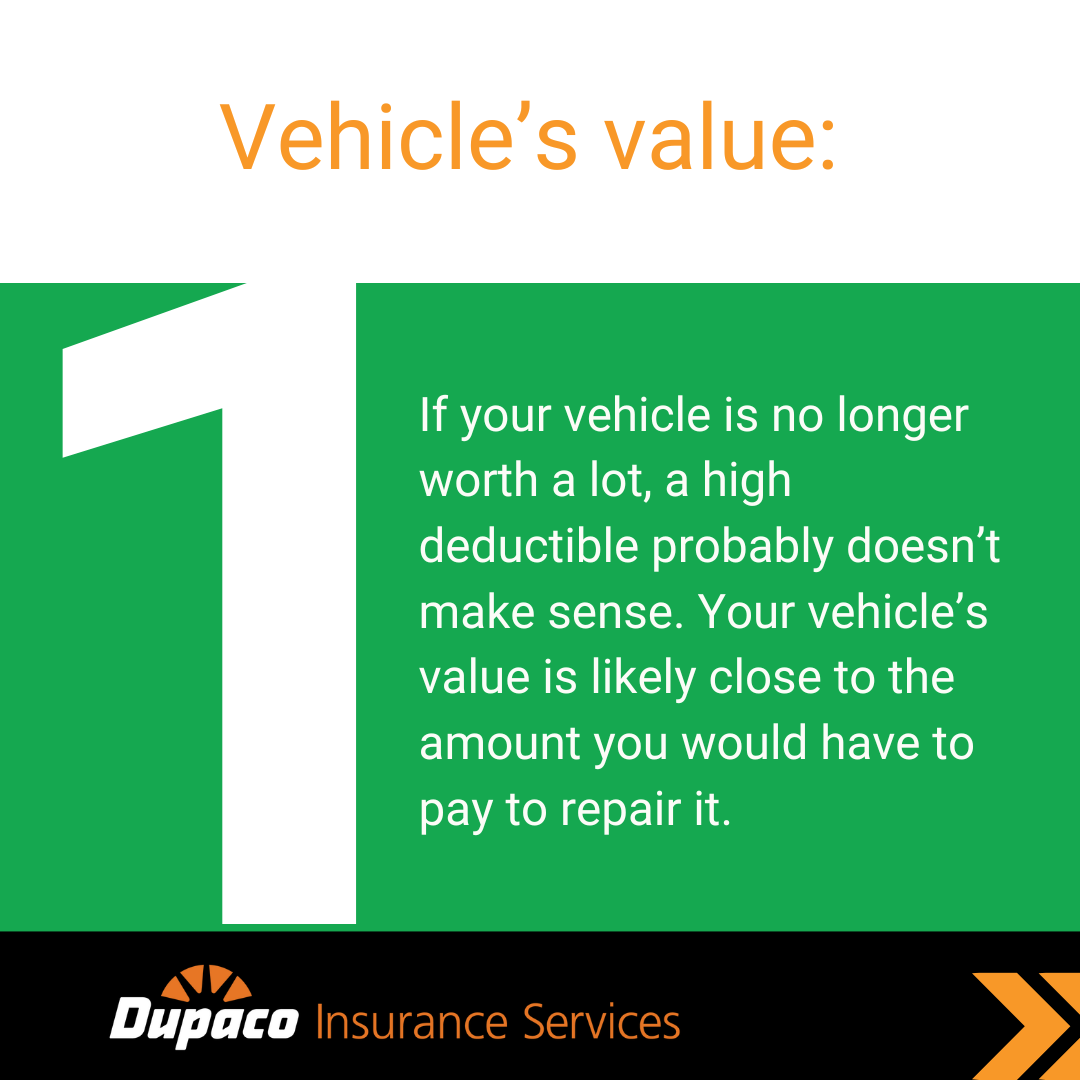
The value of your vehicle matters a lot. If your car is older and worth only a few thousand dollars, choosing a very high deductible may not make sense. You could end up paying nearly as much as the car is worth in repairs.
Tools like Kelley Blue Book can give you a ballpark estimate of your car’s value to help guide your decision.

Consider your driving habits and risk level
Your personal risk factors also play a role:
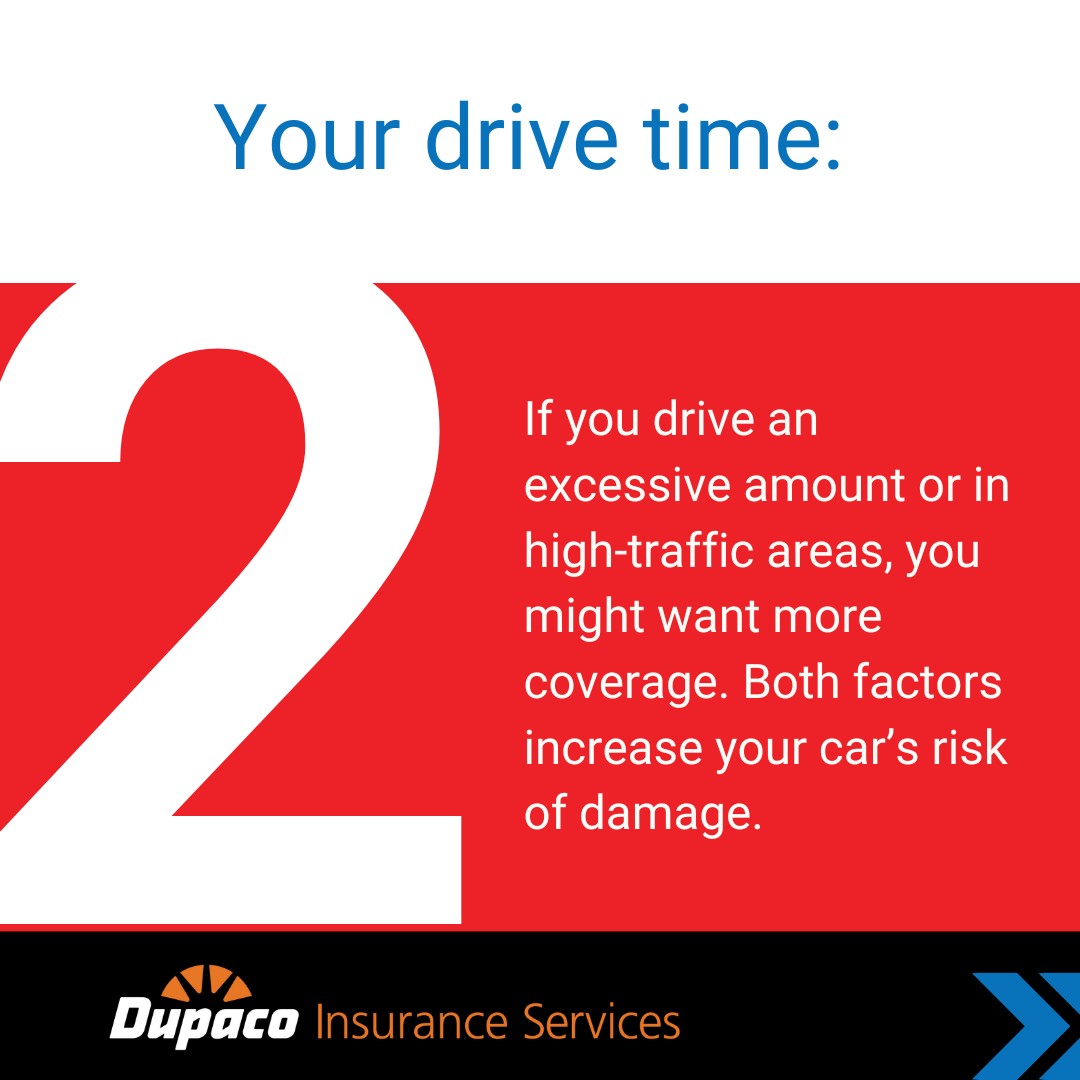
- Commute during rush hour? More exposure means higher risk of an accident. A lower deductible might make sense.
- Rarely drive or mostly in quiet areas? Less exposure means a higher deductible might be affordable.
- Accident history or speeding tickets? Your premiums might already be higher, so you’ll want to weigh whether a higher deductible still saves money.
Your agent can help you break down the numbers.
Don’t forget the extras
Deductible and premiums aren’t the only pieces of your policy. Ask your agent about:
- Rental car coverage: Handy if you rely on one vehicle
- Towing and roadside assistance: Especially useful for older cars
- Uninsured/underinsured motorist coverage: Crucial if you’re hit by someone without insurance
“There are certain things within an auto policy that you’ll want to have,” Langan said.
Why fine print matters (a real story)
Langan recalled a driver who had his car stolen after accidentally leaving the keys inside. The driver’s insurance company wouldn’t cover the claim because the policy excluded situations where keys were left in the vehicle.
That’s why it’s worth reviewing your coverage carefully with an insurance agent.
“If you’re not versed in insurance, you may not be getting what you think you are,” Langan said. “Different policies use different language.”
Get your free insurance review >
What if I can’t afford my deductible?
This is a common concern—especially for young drivers or families on a tight budget.
The good news: You can plan ahead. One smart strategy is to open a dedicated You-Name-It Savings account for your insurance costs. By automatically transferring a little each paycheck, you’ll build a safety net to help you cover your share if an accident happens.
Open a You-Name-It Savings account >
Bottom line: Picking the right deductible for you
Choosing the right deductible isn’t about finding the “perfect” number. It’s about balancing:
- Your savings and budget
- Your car’s value
- Your driving habits and risk
- Your comfort with financial risk
The best deductible is the one that lets you drive with confidence, knowing you can handle the “what ifs” without breaking the bank.