

How to get a good deal on a car when you’re ready to buy
Updated Sept. 16, 2025, at 9:45 a.m. CT
Aside from buying a home—or maybe paying for college—a car will likely be one of your biggest purchases as an adult. And with today’s prices, the numbers are significant.
In 2025, the average monthly new car payment was $745, and the used car average was $521, according to Experian. For many households, that’s a huge chunk of the monthly budget.
That’s why getting the best deal possible matters—on both the car price and the financing.
“The car-buying process is less daunting if you do your homework before you shop,” said Maria Hall, indirect lending processor supervisor at Dupaco Credit Union.
This guide will walk you through how rebates and incentives work, when to shop and how to decide whether a rebate or a low-interest loan makes more sense. You’ll also get tips on pre-approval, negotiation and questions to ask before signing anything.
Why financing matters just as much as the sticker price
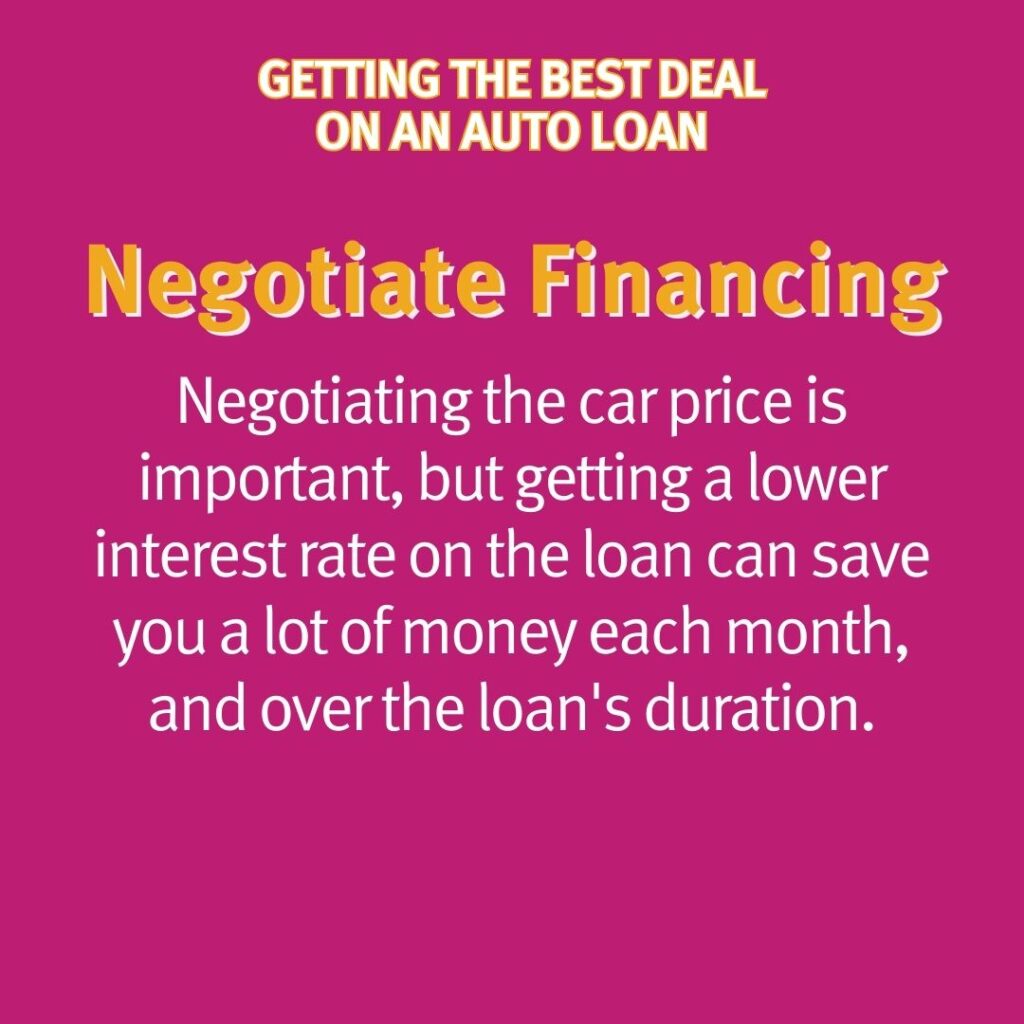
It’s easy to get laser-focused on finding the perfect car and haggling the purchase price. But your financing terms could also make or break the deal.
Here’s an example: Let’s say you put $6,000 down on a $30,000 car purchase and borrow over a 60-month loan term. Look at the amount you’d spend each month at these different interest rates:
- At 9% interest = $498/month
- At 7% interest = $475/month, saving $1,380 over 5 years
- At 5% interest = $453/month, saving $2,700 over 5 years
That’s money back in your pocket, just from securing a better rate—and could be the difference between covering a family vacation or paying extra to a lender.
When’s the best time to buy a car?
Timing can be key. Some of the best times to shop include:
- End of the month or quarter: When sales teams are trying to hit targets.
- Holiday weekends: Memorial Day, Labor Day and year-end sales often bring rebates.
- Model year changeovers: Usually in late summer or early fall, when dealers want to clear out last year’s inventory.
- Winter months: Colder weather often means less foot traffic, giving you more leverage.
Understanding car incentives
Once you know how much you can afford—and the general type of vehicle you’re looking for—you can start looking at car incentives.
Car incentives go by many names, including:
But it’s not as confusing as it might seem. All of these terms fall into three main promotion categories: Cash back, low financing and lease specials.
Automakers offer these deals at different times on specific makes and models of vehicles. And if you cringe at haggling prices, there’s good news: You don’t have to negotiate to get these offers!
Here’s how the most popular incentives work when buying a car:
Cash back
Cash-back offers might go by names like bonus cash, rebate, purchase allowance or loyalty bonus.
Whatever the label, they all accomplish a similar goal: Reduce the purchase price of the car.
Example: A $2,000 rebate on a $30,000 car instantly lowers the cost to $28,000.
In the case of a loyalty bonus, you’re rewarded with a lower purchase price for being a returning (loyal) customer.
Calculate how much to spend on your next car >
Low- or zero-rate financing
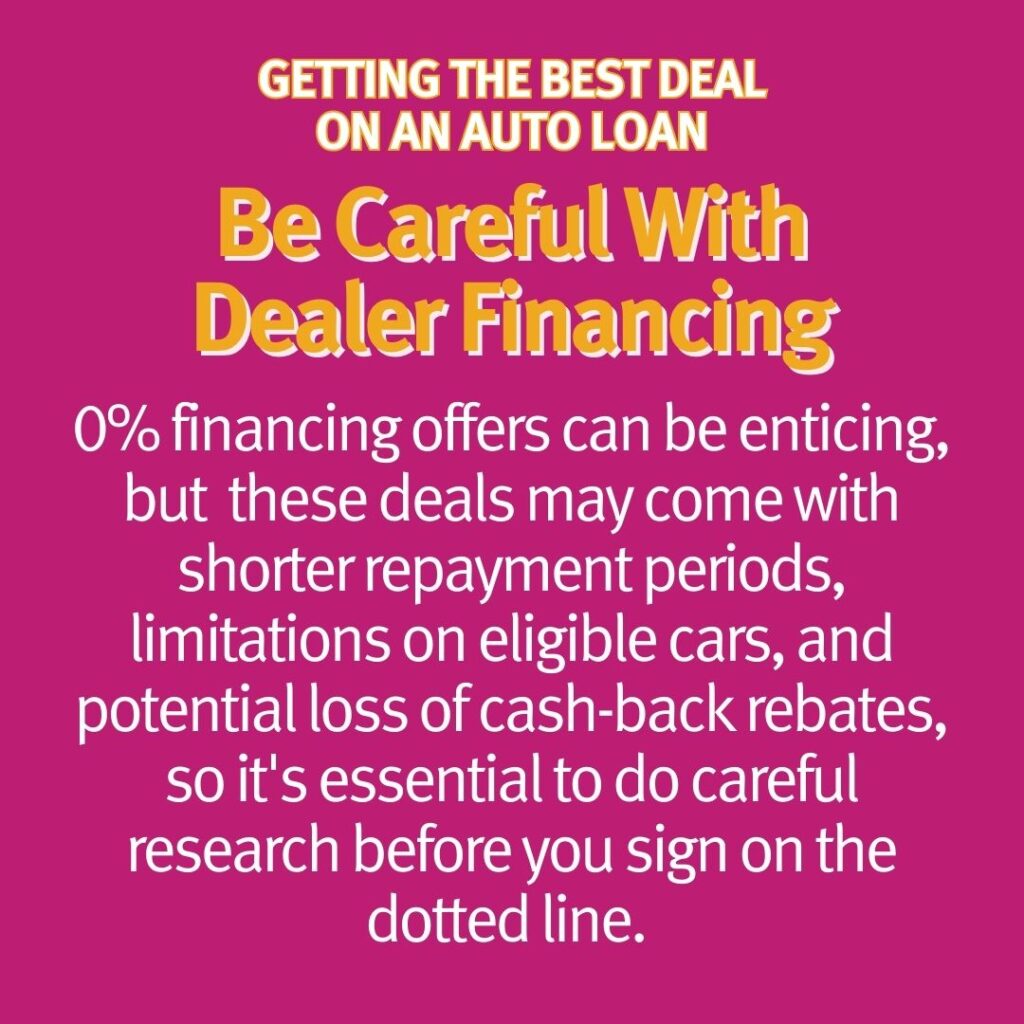
Automakers also offer low- or zero-rate financing incentives, reducing the amount of interest you pay on your auto loan.
This can help you either:
- Reduce your monthly payments
- Shorten your loan term
Keep in mind: Automakers typically require you to finance your vehicle through their finance company to qualify for financing offers. And you’ll usually need to have a higher credit score to be eligible.
Learn how to build your credit before you shop >
Lease specials
You can also find deals on leasing certain vehicles. Leases can come with rebates or low financing.
But the structure is different. Leasing may mean a lower monthly payment, but you won’t own the car at the end.
Should you lease or finance your next car? >
Rebate or low interest: Which is better?
It really depends. And here’s why:
- A rebate might be better if you have a larger down payment or plan to pay off the car early.
- Low interest might be better if you need to spread your payments out over a longer loan term.
But never assume one deal is better than the other. You’ll want to look beyond the monthly payment that any car incentive promises.
“You’ll want to compare whether a low-interest rate or rebate will be the better deal long-term,” Hall said. “In some instances, a down payment plus the rebates might figure better in the long run than 0% interest.”
The easiest way to compare is to calculate the total cost of each option (purchase price + interest paid). You’ll also want to consider the trade-in value of your current vehicle if you’re trading it. The lowest total price will save you the most money.
Our auto loan calculator can help you do the math >
Where to find the latest car deals
Car incentives come from automakers and get passed on to you through the dealership you purchase from.

You can find the latest deals and rebates in several places:
- Automaker websites: Deals can vary by region, so you might need to enter your zip code to see offers available near you.
- Dealerships: Ask if they have any additional in-house incentives. Shop around to find out if any dealers are offering additional promotions. (You don’t get what you don’t ask for!)
- Other trusted websites: Kelley Blue Book, U.S. News & World Report and Edmunds compile the latest car deals available each month.
Use our free resources to help you find your next car
How to negotiate the best deal
Even if there’s an incentive in play, you should still negotiate. The dealer might be able to lower the price even more.
Here are a few tips:
- Focus on the total price, not just the monthly payment.
- Don’t reveal your target payment right away—it can limit your leverage.
- Be willing to walk away. Another dealership may offer better terms.

Ask questions before you sign
With any offer you consider, you’ll want to understand the fine print.
Here are some questions you can ask the dealer to help you understand a promotion’s eligibility requirements:
Other packages to compare
When you buy a car, you’ll likely be offered add-ons, like extended warranties, GAP coverage or protection packages.
Just like car incentives, no two warranty packages are alike. And they can vary widely in coverage and cost. It’s important to compare offerings at both the dealership and your financial institution.
“Make sure you’re comparing apples to apples on these products,” Hall said. “You may find that what the dealer can offer covers more. Think about what additional products would be most beneficial for your needs and budget.”
Final takeaways
Getting the best deal on a car today means looking beyond the shiny rebate ads. You’ll want to:
This can help you stay in control of your budget and be confident in your purchase.