
Flooding prevention for homeowners: Tips to reduce risk
Updated Sept. 23, 2025, at 4:05 p.m. CT
Flooding is the most common—and most costly—natural disaster in the U.S. Yet many homeowners don’t realize how much damage even a little water can cause.
The Federal Emergency Management Agency (FEMA), which administers the National Flood Insurance Program, reports:
- Just 1 inch of water can cause $25,000 in damage to your home.
- Homeowner’s and renters insurance typically don’t cover flood damage.
- About 1 in 5 flood claims come from areas outside high-risk flood zones.
Whether you live in a coastal city, the suburbs or a neighborhood far from water, floods can happen anywhere. Here’s what every homeowner should know about protecting their home—and what to do if flooding happens.
Why flooding is a bigger risk than you think
It’s easy to think, “That won’t happen to me.” But storms, clogged drains, broken sump pumps or even heavy rain can quickly overwhelm a home.
A powerful reminder comes from Dupaco Credit Union member Samantha Hermsen, whose Houston apartment flooded during Hurricane Harvey.
She lost nearly everything in her first-floor apartment.
But with support from her credit union, she was able to get back on her feet, securing an auto loan to trade in her car for a larger one as she prepared for the next chapter.
What to do if your basement floods
If water enters your basement or lower level, acting quickly can reduce damage and make insurance claims smoother.
Take photos right away
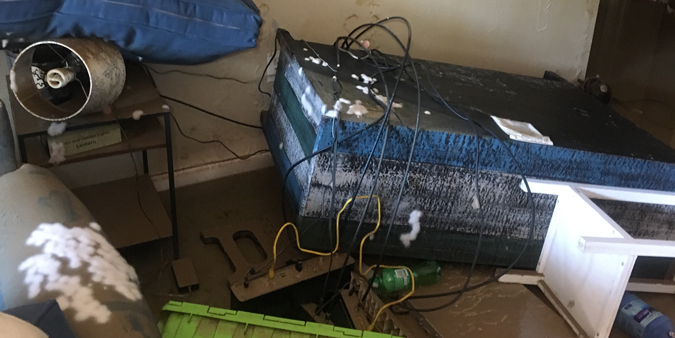
Before removing water or moving anything, snap pictures and video of the flooded area. Documentation is essential for insurance claims.
You’ll also want to take photos during the cleanup process to document the damage.
Put safety first
Turn off electricity in the flooded area before entering. Flood water may contain unknown substances, so you’ll want to wear:
- Gloves
- Boots
- Protective gear
Remove water and wet belongings quickly
The longer items sit, the more likely they’ll develop mold and mildew. Move what you can to a dry space.
Call your insurance agent
Coverage varies. Your agent can confirm what’s included in your policy and whether it will cover any of the damage.
Worst case scenario is they’re going to tell you that you don’t have any kind of coverage. But let them be the ones to tell you that.
Save every receipt
Hold onto any receipts related to the damage. Some of these may be reimbursed by insurance.
How to reduce future flooding risk
While you can’t always prevent flooding, these steps could reduce your risk and protect your home in the future:
Review your homeowner’s insurance coverage
If you have a sump pump or floor drains in your basement, consider adding water-sewer backup coverage to your homeowner’s policy.
It will help cover those times when:
- Your sump pump fails to do its job.
- A power outage prevents your sump pump from running.
- Water or sewage enters your home through your floor drains.
Ask about flood insurance
Ask your agent whether you qualify for flood insurance through FEMA’s National Flood Insurance Program.
While high-risk areas tend to be what most consider “flood zones,” the less risky zones get preferential rates.
See flood maps for your area with FEMA’s tools >
Clean gutters and downspouts
Clean them at least a couple of times each year—in the spring and fall—to make sure they’re free of debris and secured appropriately. The goal: Keep water flowing away from your foundation.
Test your sump pump
Periodically pour a bucket of water into the pit to make sure your sump pump turns on. Your pump should be on its own circuit and not run through an extension cord.
Use smart landscaping
Slope your yard away from your house.
Store belongings properly
Use shelving and waterproof bins to protect valuables. And keep important documents in a safe, elevated space away from areas known to take on moisture.
Seasonal flood-prevention checklist
Checking off these seasonal tasks may seem simple. But they could make a big difference in how well your home handles heavy rain or storms.
Think of it like regular car maintenance—you don’t notice the payoff until something goes wrong. A little prevention now can save money in repairs later.
Spring and fall
- Clean gutters and downspouts
- Inspect and test your sump pump
- Seal foundation cracks
- Clear debris from drainage areas
Year-round
- Review insurance coverage
- Store valuables off the floor
- Keep a basic flood emergency kit on hand
Use trusted resources
While there’s a lot you can do on your own, you don’t have to figure it all out alone.
Trusted resources can give you extra peace of mind—whether it’s reviewing your insurance coverage, understanding your flood risk or making home improvements that reduce water damage.
Here are a few places to start:
- Review your homeowner’s policy: Contact Dupaco Insurance Services to review your policy and ask about water-sewer backup coverage.
- Consider flood insurance: Use FEMA’s Flood Map Service Center to see if your home qualifies.
- Plan improvements: Explore home upgrades like sump pumps or landscaping changes. If you need financing, you might be able to borrow by tapping into your home’s equity or using a home improvement loan.
The bottom line
Flooding prevention for homeowners isn’t just for people living in coastal areas or official “flood zones.”
With the right steps—knowing what to do if your basement floods, reviewing your insurance and maintaining your home—you could help lower your risk and recover more quickly if water does enter your home.