Deductions you may not know about (but should be taking)
It’s a safe bet that no one wants to pay more in taxes than they have to. But often, what we don’t know can hurt us come tax time.
5 min read
What if you could have a brighter financial future by spending every dollar you earned? Sounds counter-intuitive, right?
That’s the idea behind zero-sum budgeting—a method that makes you the boss of your money instead of wondering where it all went. With this approach, every dollar you earn has a specific job, whether that’s paying bills, building savings or enjoying life guilt-free.
In this guide, we’ll break down how zero-sum budgeting works, what makes it different from other budgeting methods and how to set one up for yourself.
Zero-sum budgeting means you assign a purpose to every single dollar of your income until your monthly budget “totals zero.” That doesn’t mean you spend everything—it means your money is fully planned.
Here’s how it works:
Think of it like telling your money where to go before it has a chance to wander off.
“If you don’t use every single dollar, you end up being tempted to spend that money on things you don’t really need,” said Dupaco Credit Union’s Erin Engler.
Engler has practiced zero-sum budgeting for as long as she can remember.
“It helps me save money and not be wasteful,” she said. “It also really helps me focus on getting my debts paid off quicker, and that saves me money in the long run too.”
Curious whether this budgeting approach would work for you? This method works best if you:
It might feel restrictive at first. But really, it’s about being intentional with your money so you can save more and stress less.
Before you dive in, you need to know where your money is going today. Write down:
“This is where people miss out. Make sure you know where your money is going and how much you’re paying in bills every month,” Engler said.
A free Dupaco Money Makeover could help you review where your money’s going, look for leaks in your budget and help you create a spending plan that’s right for you.
Request a free Money Makeover >
If your paycheck varies (overtime, bonuses, commissions), create your zero-sum budget using your minimum guaranteed income. That way, you won’t overspend.
When extra income comes in, you can choose to:
Zero-sum budgeting is easier when your money is organized. Instead of one big pot, try dividing funds across separate accounts:
Dupaco lets you open multiple savings and checking accounts, so you can automatically set aside money for each budget category using either direct deposit or automatic transfers.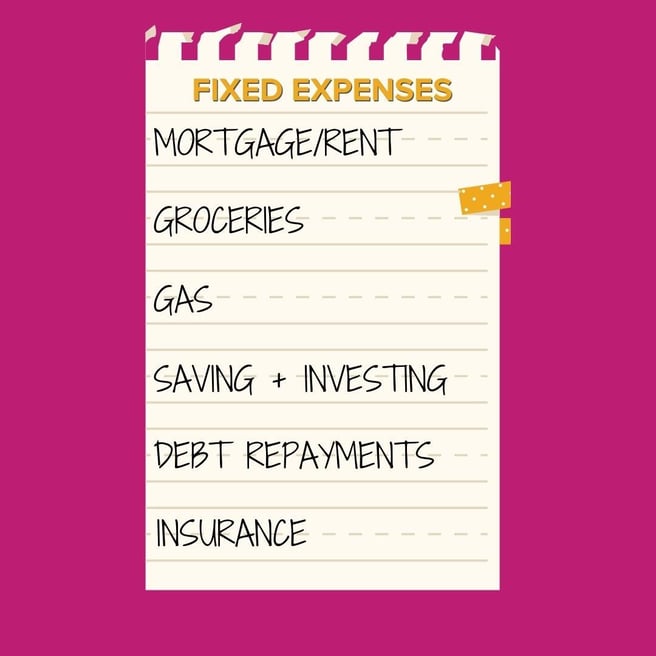 For example: Even if your car insurance is due every six months, you can transfer a little each paycheck into your “Car Insurance” savings account. When the bill arrives, you’re already prepared.
“Every single dollar of my paycheck has a home, whether it goes into a vacation savings account, car insurance account or something else,” Engler said.
Not every bill’s the same month to month. Your utility bill or grocery costs may fluctuate.
You have a couple options to help with these changes:
Even with automation, check in on your budget.
Tools like Dupaco’s free eNotifier Alerts can help you track balances and spot unusual spending (plus protect you from fraud).
If you notice you’re always under in one category and over in another, simply reassign dollars so your budget balances back to zero.
Because you need one month’s income in advance, getting started can feel tricky.
You have some options to help you launch:
If you share finances with a partner, communication is key. Zero-sum budgeting works best when everyone knows the plan and agrees on where the money should go.
“If one person is really on top of your expenses and knows where your money is going and the other person doesn’t care, your budget isn’t going to be successful,” she said. “Everybody has to be on the same page.”
Like any budgeting method, zero-sum budgeting has its strengths and challenges. Understanding both sides can help you decide whether it’s the right fit for your lifestyle.
The key takeaway? If you like structure, want to eliminate financial guesswork and are motivated to save or pay down debt, zero-sum budgeting can be a powerful tool.
But if your income is unpredictable or you prefer looser guidelines, you may want to try a hybrid approach—using zero-sum for core expenses and a more flexible budget for the rest.
Zero-sum budgeting isn’t the only way to manage your money.
If you’re not sure whether it’s the right fit, it helps to compare it with other popular approaches:
Zero-sum budgeting combines the control of the envelope system with the flexibility of digital tools, while still keeping savings front and center.
Zero-sum budgeting isn’t about spending all your money. It’s about assigning it wisely, so your priorities get funded first. Whether you’re focused on debt payoff, saving for your first home or planning for retirement, this method can give you peace of mind.

It’s a safe bet that no one wants to pay more in taxes than they have to. But often, what we don’t know can hurt us come tax time.
When you think about saving for retirement, your mind might go straight to 401(k)s or traditional Individual Retirement Accounts (IRAs) invested in...
Life has a way of throwing surprises at us, often when we least expect them. Whether it's a job loss, unexpected car repair, medical bill or home...