How to winterize your house and avoid costly damage
Winter in the Midwest is no joke. Freezing temps, snow and ice can take a toll on your home if you’re not prepared. But a little prep work now can...
3 min read

You’re trusting someone with your home and your hard-earned money. So, how can you protect yourself?
It starts with knowing the right questions to ask, the red flags to watch for and trusting your instincts. Use this guide to help you hire a reliable contractor to make your renovation dreams come true.
Before you hire anyone, keep an eye out for these common warning signs that could point to unreliable or even dishonest behavior.
As tempting as it is to go with the lowest bid, remember the adage, “You get what you pay for.” If it’s too good to be true, it probably is. A cheap bid could mean low-quality work or cutting corners, which can end up costing you more later.
If you’re offered a bid that’s a lot lower than others, ask a lot of questions. If you only get evasive answers, walk away.
Could your equity help pay for your updates? >
If you feel pressured to sign today or lose the deal, it’s a major red flag. Reputable contractors will give you time to think it over.
Don’t let anyone pressure you into hiring them on the spot. It’s your home, your money and your decision. So, take your time, get multiple bids and don’t sign anything until you’re sure.

Ever had a contractor just show up at your door? Maybe they “noticed” an issue while working on a neighbor’s home. Sounds fishy, right? It usually is.
Legit contractors don’t typically go door-to-door offering discounts or claiming to have leftover materials.
If someone shows up uninvited, be suspicious. Ask for credentials and references, and check their online reputation before engaging further.
Request a free Money Makeover to create your reno budget >
Never hire a contractor without speaking to someone who’s used their services. Ask past customers detailed questions about their experience, including the projected and actual project timeline, the final cost and their overall satisfaction.
If a contractor is working on another job, consider asking if you can see their work.
While it’s normal to pay a deposit, a trustworthy contractor won’t demand full payment before they even start.
Instead, payments should be tied to milestones—like when a specific phase of the project is complete. Only agree to a payment schedule based on progress.

Some scammers might try to convince you that your project is covered by your insurance, even if it’s not related to a covered event.
This is fraud—and it’s illegal.
Always verify any insurance claims with your provider before proceeding. You’ll want to know what’s covered and what isn’t.
A contractor who says you don’t need permits could be trying to cut corners.
A lack of permits can cause you problems later when you try to sell your home.
So, how do you separate the pros from the pretenders? Here’s a checklist for hiring a contractor that helps you stay in control and protect your investment.
The best way to protect yourself from home improvement scams is thoroughly vet anyone you plan to hire:
Trustworthy contractors should be communicative, transparent and willing to answer your questions.
Members use their equity to pay for kitchen remodel >
Don’t take a contractor’s word for it—get the details in writing!
A solid contract should include:
A clear contract protects both you and the contractor. And if they hesitate to put it in writing, that’s a red flag.
Even after hiring the right person, it’s important to stay involved. Here’s how to avoid misunderstandings and keep your renovation moving forward.
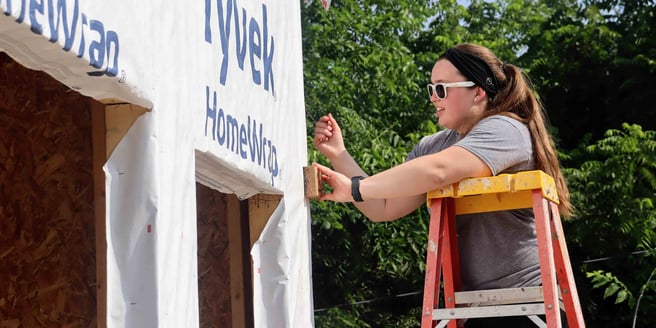
Home renovations can reveal unexpected issues, and costs can climb.
So, it’s wise to budget a little more than you think you’ll need. That way, you’re not caught off guard if costs rise. If your contractor suggests a pricier option, don’t be afraid to ask if it can wait.
Delays happen. Whether it’s waiting for materials, permits or bad weather, renovations can take longer than expected.
Plan for it by giving yourself some flexibility in your timeline and trying to stay patient as your dream space takes shape.
8 of the best ROI home improvements >
Even if you’re not the one swinging the hammer, it’s your home. Regularly check on progress, ask questions and ensure everything is moving along as it should.
Good contractors will keep you updated on progress. And good communication can help prevent small issues from becoming big problems.
If you do have a problem with a home improvement project, first try to resolve it directly with your contractor. Many issues can be resolved through honest communication.
The Federal Trade Commission recommends following up with any phone conversations by sending a letter through certified mail. Request a return receipt and keep copies of all documents for your files.
If you can’t resolve the issue, the FTC says to consider getting outside help from:
Winter in the Midwest is no joke. Freezing temps, snow and ice can take a toll on your home if you’re not prepared. But a little prep work now can...

Buying a home is a huge milestone. It’s thrilling, nerve-wracking and full of big decisions. But before you start picking out paint swatches and...

Building your own home has its perks. With new home construction, you call the shots. How many bedrooms and bathrooms do you wish you had? Where...