11 steps for buying a house for the first time
Buying your first home is an exciting milestone. But it can also feel a bit overwhelming. The good news? You don’t have to figure it out all on your...
8 min read

Aside from buying a home, or maybe paying for college, a car will likely be one of the biggest purchases you make. And with today’s prices, the numbers are hard to ignore.
In the third quarter of 2025, the average monthly payment was $748 for a new car and $532 for a used one, according to Experian. For many households, that’s a huge chunk of the monthly budget.
That’s why getting a good deal matters on both the car price and the financing.
“The car-buying process is less daunting if you do your homework before you shop,” said Maria Hall, indirect lending processor supervisor at Dupaco Credit Union.
That’s really the heart of it.
A good car deal isn’t only about talking the sticker price down. It’s about choosing a vehicle that fits your life, understanding what you can truly afford and financing it in a way that still feels manageable long after that new-car smell fades.
This guide walks through what a good deal really means in today’s market, when to shop, how rebates and incentives work, and how to compare your options before you sign anything.
A good deal is a car and loan combination that works for your budget now and still feels manageable later.
That means looking beyond the sale price. You’ll want to think about:
A lower monthly payment can look appealing at first glance. But if that lower payment comes from stretching the loan out for more years, you could end up paying much more overall.
So, if you remember one thing, make it this: Shop for the total cost, not just the monthly payment.
It’s easy to get laser-focused on finding the right car and negotiating the purchase price. But your financing terms can shape the deal just as much.
In today’s market, even a small difference in rate can change what the car really costs you.
Let’s say you put $6,000 down on a $30,000 vehicle and borrow the rest over 60 months. Here's what your monthly payment could look like at different interest rates:
That’s money you could keep just from securing a better rate—and could be the difference between covering a family vacation or paying extra to a lender.
This isn't exactly the fun part of car shopping, but it can save you money later.
Before you start test-driving anything, decide what fits comfortably into your budget each month. Then zoom out and look at the full picture. Your vehicle costs may include:
If the payment fits but everything else makes your budget wince a little, that's useful information.
A realistic budget also helps you avoid buying more vehicle than you actually want to pay for. It’s a lot easier to stay grounded when you already know what works for your life before someone starts talking about upgrades, bigger trims or “just a little more per month.”
Yes. Getting preapproved is one of the smartest steps you can take before you shop.
Preapproval means a lender reviews your basic financial information and gives you an estimate of how much you may be able to borrow and at what rate. It gives you a starting point before you walk onto the lot.
That can help you:
It doesn’t mean you have to use that loan. It just gives you a benchmark.
And that benchmark can be powerful. If the dealership offers financing, you’ll have a clearer way to compare rates, terms and total cost instead of guessing in the moment.
Timing can help, but it won't rescue a rushed decision.
That said, some times of year may work in your favor:
You may see stronger incentives during those windows. But the best timing is still being prepared.
A buyer who knows their budget, has financing options lined up and understands the value of their trade-in is usually in a stronger position than someone shopping on the “right” weekend without a plan.
Once you know how much you can afford, and the general type of vehicle you’re looking for, you can start looking at car incentives.
Car incentives go by a lot of names, including:
That may sound like a lot of jargon, but most of these offers fall into three main categories: Cash back, low financing and lease specials.
Automakers offer these deals at different times on specific makes and models. And if negotiating makes you want to suddenly remember you need to reorganize your garage instead, here’s some good news: You usually don’t have to haggle to get these manufacturer offers.
Here’s how the most popular car incentives work:
Cash-back offers might go by names like bonus cash, rebate, purchase allowance or loyalty bonus.
Whatever the label, they usually do the same thing: Reduce the purchase price of the car.
For example, a $2,000 rebate on a $30,000 car instantly lowers the cost to $28,000.
In the case of a loyalty bonus, you’re rewarded with a lower purchase price for already owning or leasing a vehicle from that brand.
Cash back can be especially appealing if lowering the amount you borrow is your main goal.
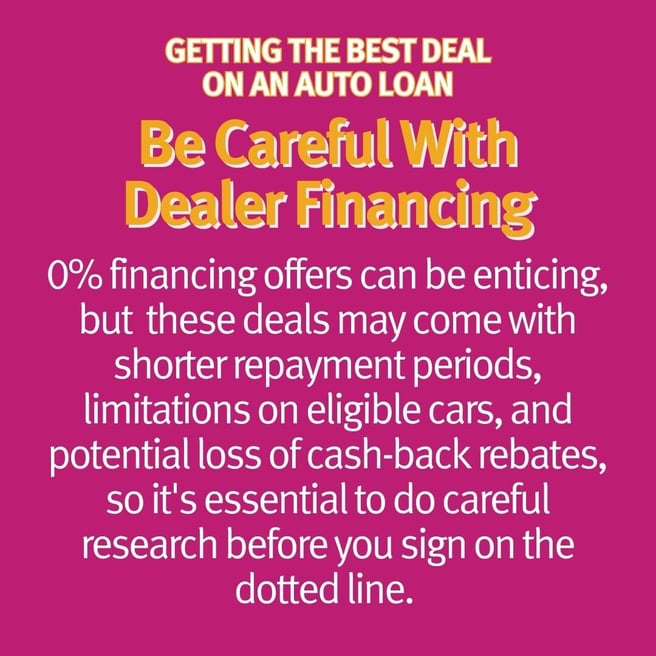
Automakers may also offer low-rate or 0% financing, which reduces the amount of interest you pay on your auto loan.
 This can help you:
Keep in mind, though, that these offers usually come with rules. You may need to finance through the automaker's finance company, and you’ll often need strong credit to qualify.
That’s one reason it helps to compare all of your options before assuming a low-rate offer is automatically the better deal.
You may also see special offers on vehicle leases.
A lease can come with rebates or lower monthly payments, but the structure is different from financing a car you plan to own. Leasing may cost less per month, but you won’t own the vehicle at the end of the lease unless you choose to buy it later.
If you’re comparing lease offers with loan offers, make sure you’re comparing the right things. The lower monthly payment on a lease may look attractive, but the long-term outcome is different. You won't own the car at the end.
Should you lease or finance your next car? >
It depends, and this is where the math matters more than the headline.
A rebate may be the better fit if you have a larger down payment or plan to pay off the loan early.
A low-interest offer may make more sense if you need to spread payments out over a longer term and want to reduce interest costs over time.
But never assume one deal is better than the other just because it sounds bigger or shinier.
“You’ll want to compare whether a low-interest rate or rebate will be the better deal long-term,” Hall said. “In some instances, a down payment plus the rebates might figure better in the long run than 0% interest.”
The easiest way to compare is to calculate the total cost of each option:
The lowest total cost is usually the better deal, even if it doesn't come with the flashiest promotion.
Our auto loan calculator can help you do the math >
More than people think.
Many buyers focus only on the vehicle price. That matters, of course. But it’s not the only part of the deal worth reviewing closely.
You may be able to negotiate or question:
A few things usually aren’t negotiable, like state taxes, title costs and registration charges. But many other parts of the deal deserve a closer look.
If the numbers feel bundled together in a confusing way, slow it down and ask to review each part separately:
That simple reset can make it easier to see where the money is really going.
When someone asks, “What monthly payment are you looking for?” it may sound helpful. But it can also steer attention away from the bigger question: How much will this car cost you overall?
A longer loan term can lower your monthly payment. It can also mean:
When you owe more on a vehicle than it’s worth, that’s called negative equity. It can make trading in or selling your vehicle much harder later.
So yes, the monthly payment matters. It just shouldn’t be the only number in the conversation.
Car incentives come from automakers and get passed on to you through dealerships.
 You can usually find current offers in a few places:
Even when a rebate or promotion is on the table, there may still be room to negotiate other parts of the deal.
Here are a few tips:

When you buy a car, you may also be offered product packages like extended warranties, GAP coverage or protection options.
Just like car incentives, no two packages are alike. And coverage and cost can vary quite a bit. It’s important to compare offerings at both the dealership and your credit union.
“Make sure you’re comparing apples to apples on these products,” Hall said. “You may find that what the dealer can offer covers more. Think about what additional products would be most beneficial for your needs and budget.”
The goal isn’t to say yes to every extra. The goal is to understand which products may actually give you peace of mind and which ones may not fit your budget or priorities.
Getting a good deal on a car today means looking beyond the shiny rebate ads. Here are four smart moves to keep in mind:
These steps can help you stay in control of your budget and feel more confident in your purchase.
Getting a good deal on a car isn’t only about driving away happy that day. It’s about feeling good about the decision long after you leave the lot.

Buying your first home is an exciting milestone. But it can also feel a bit overwhelming. The good news? You don’t have to figure it out all on your...
You might be familiar with refinancing a mortgage. But what about refinancing your auto loan? Many people don’t realize it’s even an option....
You probably don't buy a fire extinguisher because you're planning a kitchen disaster. You buy it because if you ever need it, you'll be glad it's...