How to prioritize debt repayment: 7 strategies that work
Too much debt is the ultimate killjoy. It can destroy a budget, make long-term financial planning stressful and leave you feeling guilty every time...
3 min read

When you’re struggling to get out from under debt, it can feel overwhelming. Multiple bills, due dates and interest rates can leave you wondering how you’ll ever get ahead.
That’s where debt consolidation could come in.
Many people don’t realize this option exists. But when used correctly, it can be a practical way to simplify your finances, free up cash flow, and get back on track.
We’ll walk through what debt consolidation is, how it works, when it makes sense (and when it doesn’t), plus examples of ways you might use it.

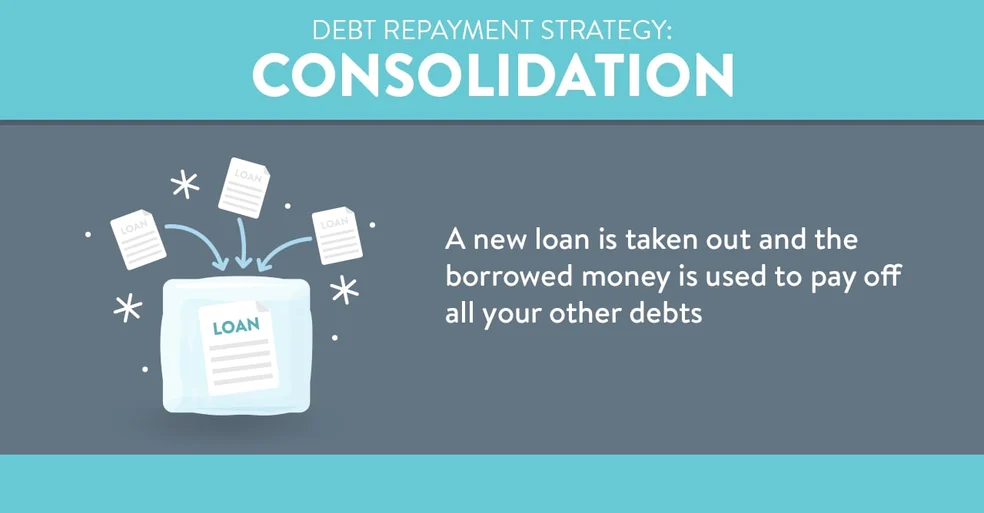
Debt consolidation, also known as loan consolidation, is the process of rolling multiple debts into one new loan. Instead of juggling several bills each month, you make just one payment—often at a lower interest rate.
Debts that could be consolidated might include:
The goal is to make repayment simpler, more manageable and, ideally, less expensive over time.
For example: If you’re carrying three credit cards with high interest rates, you might be able to consolidate them into one loan with a lower rate. That means less money toward interest and more toward paying down your balance.
Explore debt consolidation options >
So how does this actually work in real life? It usually comes down to taking what you owe across different accounts and pulling it together into a single loan or line of credit.
Here’s a simple breakdown:
There’s not one single way to consolidate debt. It depends on your situation. Here are a few common approaches:
You might be able to save money by transferring credit card balances to a Dupaco Visa credit card.
You might take out a personal loan to pay off multiple debts. Or, if you own your vehicle, you might even be able to use it as collateral to get a lower interest rate.
If you own a home, you might have equity you can borrow against. A low-interest home equity line of credit or home equity loan typically offers lower interest rates than credit cards, making your equity a powerful tool for consolidating debt.
Like most financial tools, debt consolidation has its pros and cons. Here’s when it tends to help—and when it might not.
Debt consolidation could be a smart move when:
It may not be the right choice if:
You’ll want to make sure you know what you’re paying now and what you’d be paying after a consolidation.
Calculate what you could save by consolidating debt >
One of the biggest questions people have is how consolidation will affect their credit score. And it can help or hurt, depending on how you handle it:
The bottom line: Debt consolidation is most effective when paired with a realistic budget and solid financial habits.
Debt consolidation isn’t the only way to tackle debt.
You might also consider:
See more debt repayment strategies >
The best way to know if debt consolidation makes sense for you is to run the numbers. A free Dupaco Money Makeover could help you:

Too much debt is the ultimate killjoy. It can destroy a budget, make long-term financial planning stressful and leave you feeling guilty every time...
Juggling multiple high-interest balances can drain your bank account and cause unnecessary stress. Use our Debt Consolidation Calculator to see...
If you’re paying off high-interest credit cards, it can feel like you’re barely making a dent in your debt. But there might be a way out.