6 tips to help you banish paper clutter in your home
Ever feel like your home is drowning in paper clutter?
3 min read

Sadly, scammers know that travelers, eager to escape and relax, are ideal targets.
In 2023 alone, the Federal Trade Commission received more than 55,000 reports of travel fraud. And those are just the people who reported losses.
But a little knowledge and caution can go a long way in helping you avoid travel company scams, fake travel websites and vacation rental fraud. Here’s a look at some of the more common travel scams—and how to avoid them and protect your money.
Here are three common travel scams—and tips on how to avoid them.
Who wouldn’t be thrilled to win a free luxury vacation? But scammers use this allure to trick unsuspecting victims.
You might get a letter, email, text or call claiming you’ve won a prize—even though you never entered a contest. To claim the prize, they may ask for personal information or payments for “fees” or “taxes.”
Sometimes, cruise or vacation deals marketed as “free” come with hidden fees that add up to hundreds or thousands of dollars.
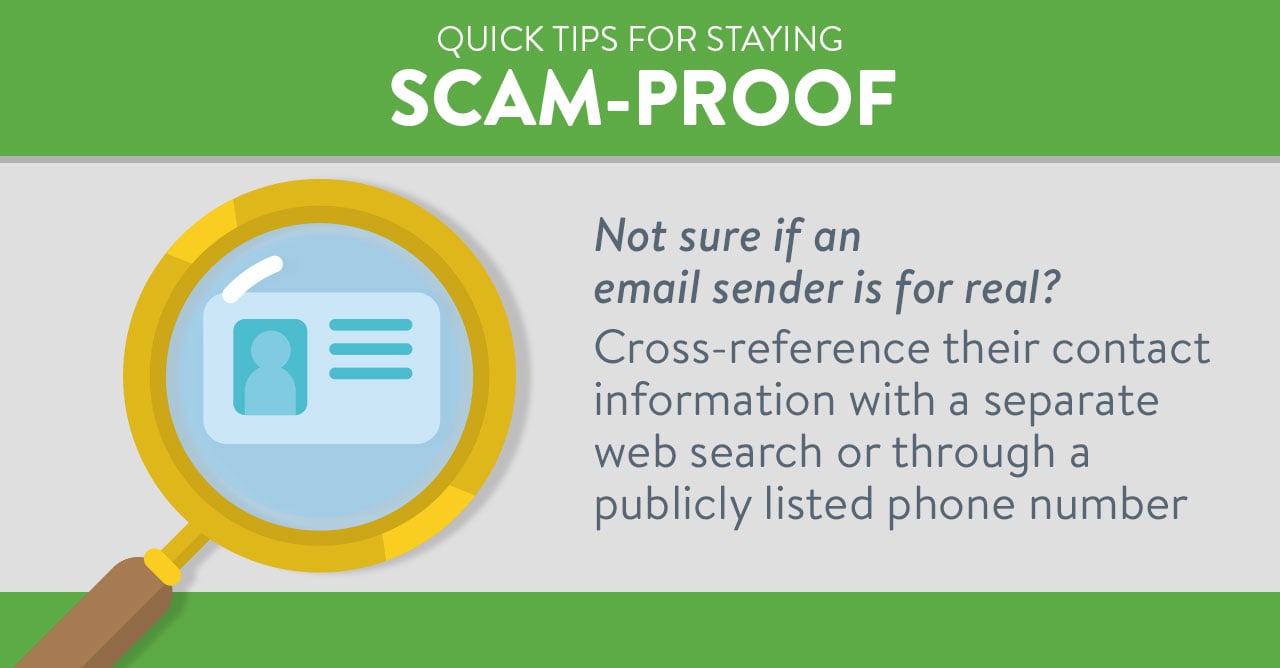
How to protect yourself:
Fraudsters create fake listings for vacation rentals, using eye-catching photos and amazing prices. Some scammers copy actual listings and change the contact information, so you unknowingly pay them instead. But there are ways to know if your vacation rental is legitimate.
How to protect yourself:
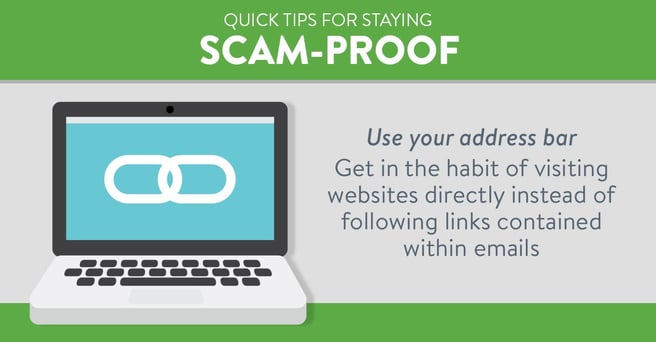
Booking sites and apps can offer convenience and deals, but not all are legitimate.
Some scammers pose as online airline ticket brokers or other travel companies. In a common version of the scam, you might pay for a trip and then receive a follow-up call asking for additional personal or payment details—something a legitimate business wouldn’t do.
How to protect yourself:
Learn how to spot other common scams >
Watch for these other red flags while planning any trip.
Scammers or dishonest travel package promoters will tell you to pay for your vacation by cash, wire transfer, gift card or cryptocurrency. These payment methods are nearly impossible to recover—and scream of a scam.
How to protect yourself: Always pay with a credit card. It’s the safest way to protect yourself and your money.
Learn how to choose the best rewards card for you >
Scammers will promise vague extravagances like “five-star” resorts or “luxury” cruises without providing specific details about the travel offer.
How to protect yourself: Don’t pay or sign anything until you receive the full terms, including cancellation and refund policies and any mandatory fees. If the company won’t give you this info, walk away.
Scammers will often pressure you to act quickly, claiming a vacation package or rental deal will be “gone soon.”
How to protect yourself: Legitimate companies won’t pressure you into making immediate decisions. Take your time to research and compare options.
The FTC shares a few other tips to help you stay safe when planning a trip:

Ever feel like your home is drowning in paper clutter?
About 64% of the world’s population uses social media today, according to a 2025 Statista report. Facebook, Instagram, TikTok, Snapchat and newer...
Are you carrying a Venmo balance? How about Zelle? Cash App or PayPal?